
Tomas Dratva's „composer of the week“ postings are archived on this page. He presented composers whose work for piano was particularly close to his heart.
Grażyna Bacewicz
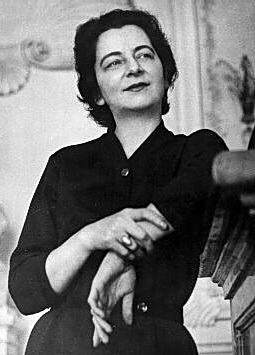
05.02.1907, Łódź - 17.01.1969, Warszawa
Grażyna Bacewicz was a remarkable and impressive composer. Trained as a violinist and conductor, she was simultaneously also an excellent pianist, performing the premiere of her 2nd Piano Sonata herself. Bacewicz always emphasized her independence in her compositional work. Striking is her stylistic evolution, which she underwent over the course of her life; the comparison of her Piano Concerto from 1949 with her Concerto for 2 Pianos from 1966 illustrates this, a fact she also describes herself: "I divide my music into three periods: 1) Youth – very experimental, 2) what one inappropriately calls neoclassical here but is actually...
READ MORE »Tomi Räisänen
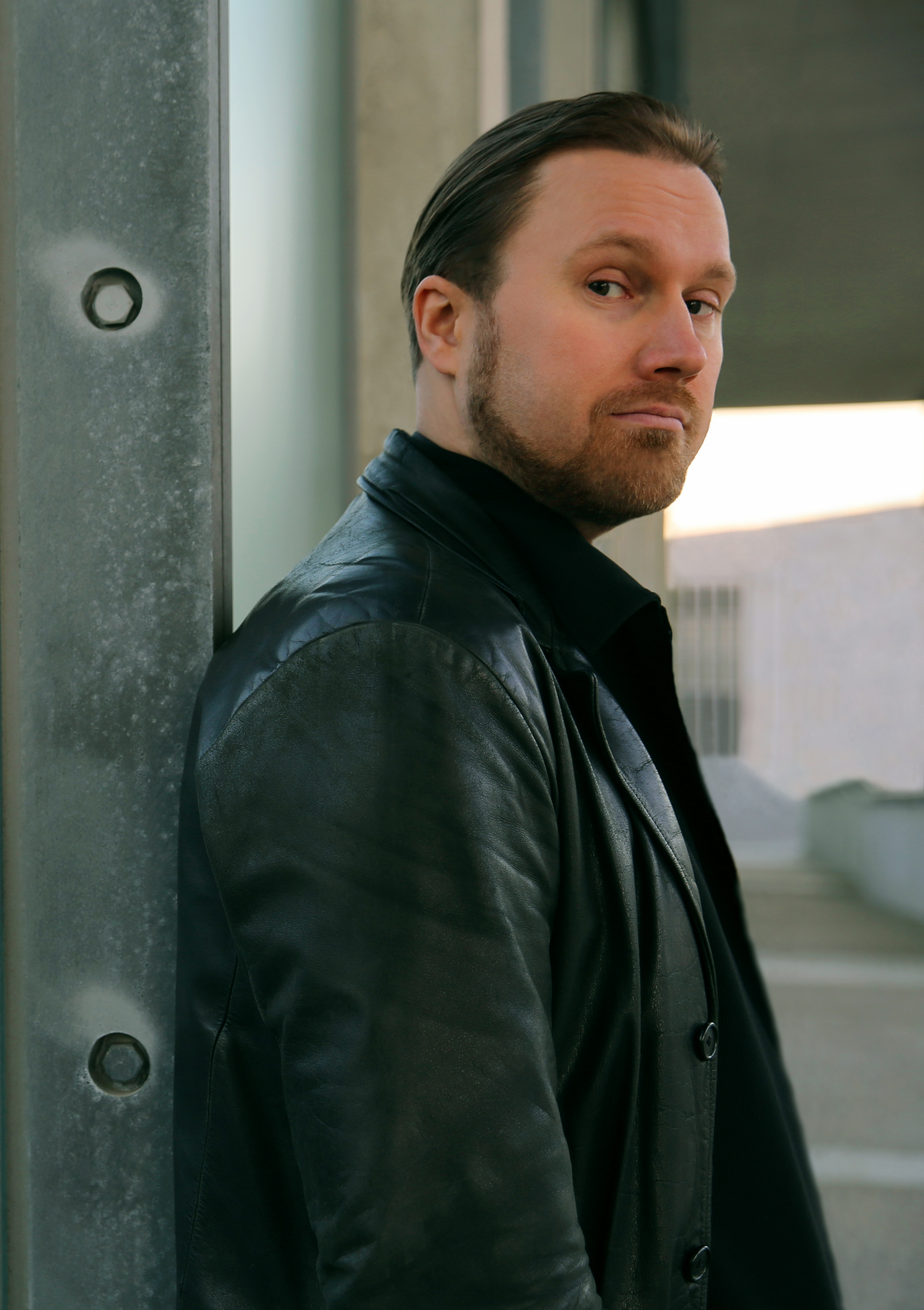
* 02.06.1976, Helsinki
Tomi Räisänen's music is characterized by great variety, an enormous richness of colors and rhythms, and a sense of form consistently tailored to each piece. The award-winning composer opens a vast field for performers with his compelling and imaginative music for entirely different emotional states and poetic allusions.
READ MORE »Henri Dutilleux
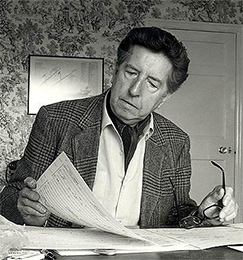
22.01.1916, Angers - 22.05.2013, Paris
"The work of composition is something very secret." Henri Dutilleux (Quote: Interview about his wife Geneviève Joy; Source: www.ina.fr) Henri Dutilleux is one of the most important French composers of the second half of the 20th century. His early music is characterized by a rather neoclassical playfulness and looseness while the later works convey a deep richness of sound fantasy. Among his most important compositions for piano are his early Piano Sonata (1948), which was premiered by his wife, the magnificent pianist Geneviève Joy, the 3 large Préludes (1973/77/88), and the "F
READ MORE »Beat Furrer
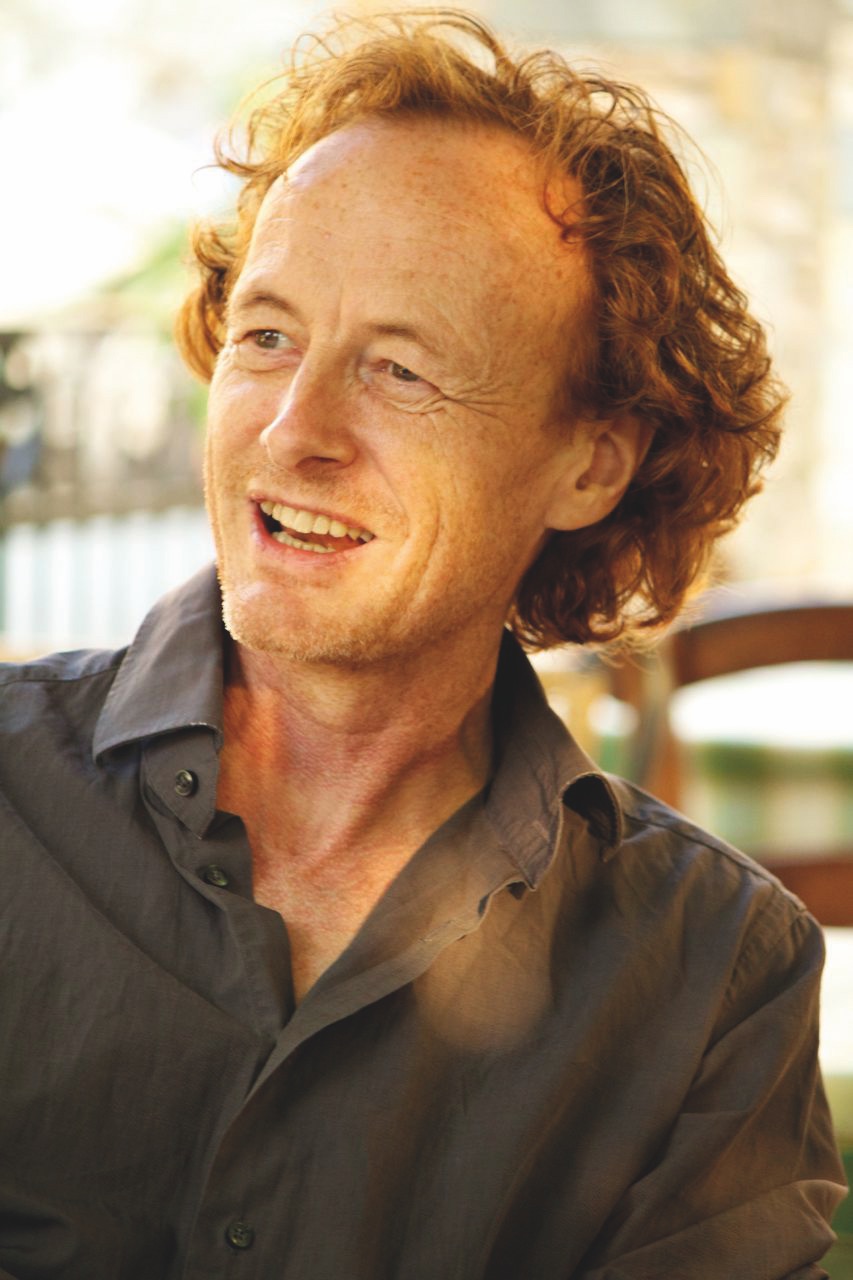
* 06.12.1954, Schaffhausen
"Composing is circling around a center that one can never quite reach. In the end, dissatisfaction remains – and that is the next work." "Art is the experience of the world, it is knowledge, it is emotional education. But for that we also need the awareness that there is much we simply have not yet understood. That's how it is for me too. And that applies not only to new music. Even Mozart one will never fully understand." Beat Furrer (Quotes: Interview with Maria Scholl for APA, Source: www.oe1.orf.at) Beat Furrer explores music in all its sound spaces and expansions. Each work arises anew from an attitude of exploring unknown possibilities. The piano is always again important The
READ MORE »Luciano Berio
24.10.1925, Oneglia - 27.05.2003, Roma
"The truth, about which we cannot speak, we must sing, we must express it with music." "Our relationship to music must in a certain way remain open. That is the privilege of music – not to be formalized, not to be captured in a particular procedure, in a particular way." Lucian Berio For Lucian Berio, music is an idea that becomes physically tangible. His view of music is always uncompromisingly directed toward the future. Among Luciano Berio's most important piano works are the late Piano Sonata (2001), the frequently performed 6 Encores (1965-1990), the Sequenza IV (1966), the Concerto II for piano & Orchestra "Echoing Curves" (1988-89), and the Concert
READ MORE »Galina Ustwolskaja
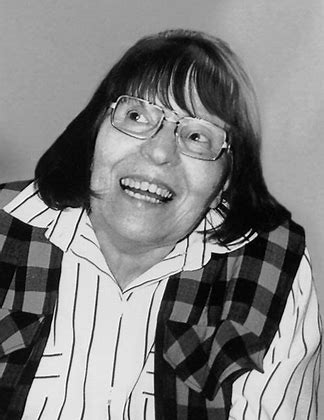
17. June 1919, Petrograd - 22. December 2006, Petrograd
"It is difficult to speak about one's own music ... my ability to compose does not align with my ability to write about my composing, unfortunately. Incidentally, there is an opinion that one excludes the other ..." Galina Ustwolskaja Galina Ustwolskaja was a tireless creator. The elemental and the simple is as characteristic of her music as the wild outburst, the cry from the deepest soul. With willful instrumentation, she explores new sound combinations. As examples, the Composition I "Dona nobis pacem" (1971) for Piccolo, Tuba and piano or the Composition III: "Dies Irae" (1973) for 8 Contrabasses, wood blocks and piano
READ MORE »Anders Eliasson
2.04.1947, Borlänge - 20.05.2013, Stockholm
"The substance, the form, the shape must be a unity! If you try to divide them, you're out." "All different movements are always related to the same basis, to the fundamental harmonic flow. If you go out on a sunny day at noon, you can see many things, the most varied, everywhere – but everything is related to the sun. Because the sun shines. It's the same kind of connections when we talk about music. About the many occurrences, movements in the shortest time.." Anders Eliasson (Interview with Christoph Schlüren, 1996) In his music, Anders Eliasson found his own, personal "alphabet" – as he calls it himself. His
READ MORE »André Boucourechliev
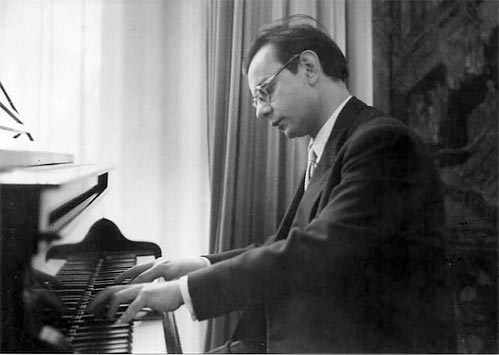
28. July 1925, Sofia - 13. November 1997, Paris
André Boucourechliev is one of the important figures of the era of Serialism and Aleatoric music in Paris from the 1950s to 1970s. In his most important compositions, he grants performers decisive freedoms and guides them with well-thought-out structures, templates, and instructions to develop their own solutions to his music that emerge spontaneously in concert, remaining unique in every performance. Among his most important works for piano are his Piano Concerto (1975), the 6 Etudes d'aprés Piranése (1975), and the various works titled Archipel I-V in diverse instrumentations. Besides his compositional work, Boucourechliev was also active as a pianist, writer, and musicologist
READ MORE »Miroslav Srnka
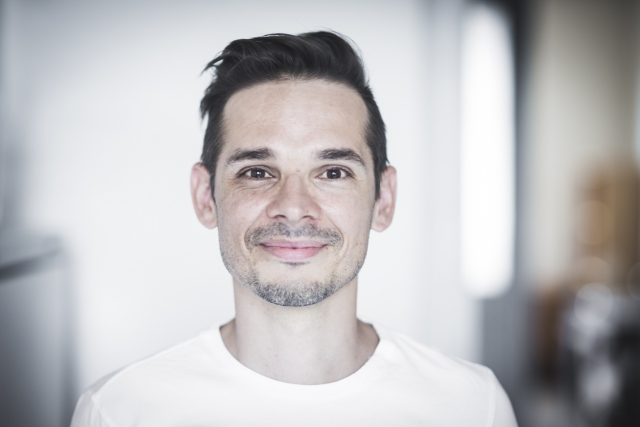
* 23.03.1975, Praha
"The whole charm of making music for the composer consists of really working on the music with the performers." Miroslav Srnka Miroslav Srnka has made a name for himself in recent years as a versatile composer. In his oeuvre for piano, his Piano Concerto from 2012 and his Piano Quintet "Pouhou vlnou" ("Qu'en vague"/2008) occupy a particularly important position. In 2018, his Piano Trio "Emojis, Likes and Ringtones" was furthermore a required piece in the ARD competition. "You must create another world that has nothing to do with what was played before." Miroslav Srnka
READ MORE »Fazil Say
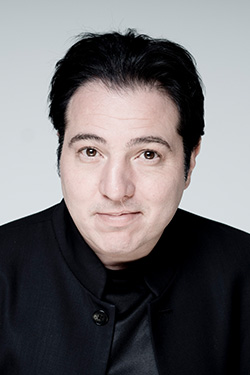
* 14.01.1970, Ankara
"A person can only be fulfilled with music." Fazil Say The pianist and composer Fazil Say has been present on the world's stages for decades as a magnificent virtuoso. Since his early youth he has composed much piano music. In total he has already written 15 concerto works for piano and orchestra as well as numerous solo and chamber music works. His music is characterized by rhythmic-jazzy virtuosity and by much sense of sound, poetry, and expression. "Ich spiele westliche Musik in der Türkei, und im Westen präsentiere ich Stücke, die ich mit Elementen der türkischen Musik gewroteen habe. So I am considered a musician who builds bridges."" Fazil Say
READ MORE »Charles Edward Ives
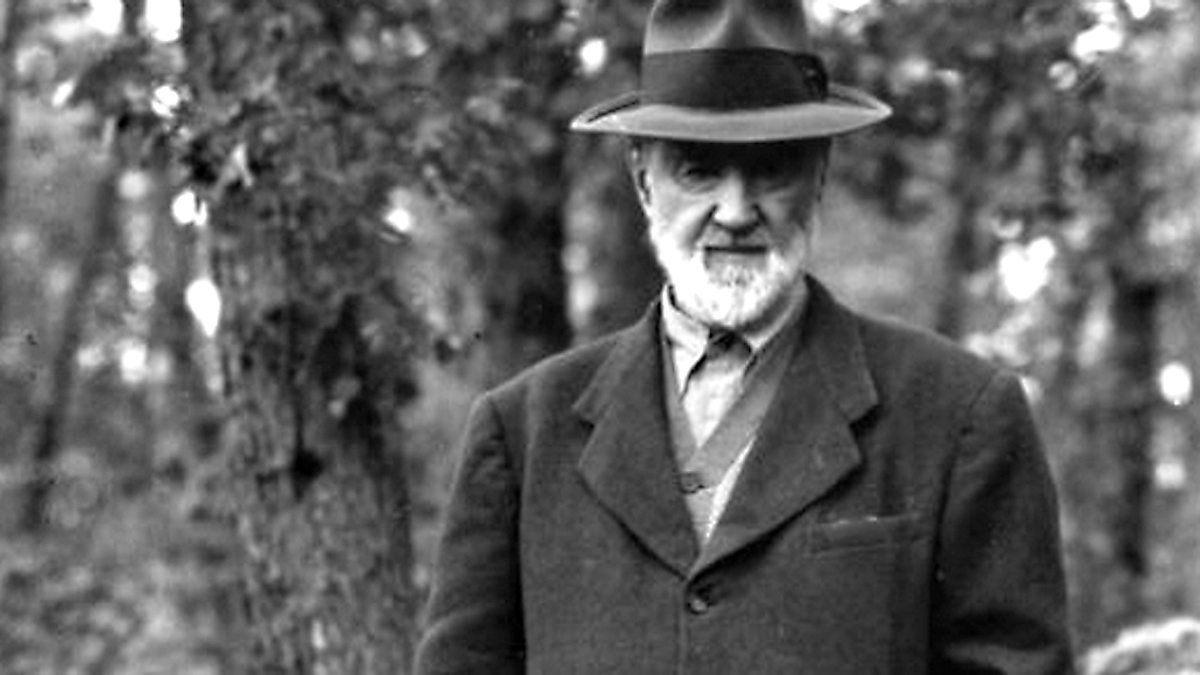
20.10.1874, Danbury - 19.05.1954, New York
"There can be nothing exclusive about substantial art. It comes directly from the heart of life experience and thinking about life and living life."" Charles E. Ives Im Zentrum von Charles Ives’s Klavierwerken stehen seine Klaviersonaten. Most famous is his Sonata No. 2 "Concord, Mass. 1840-1860") from the years 1916-1919. But his monumental 1st Sonata (1915-1916) and the eccentric "Three-Page Sonata" (1910-1911) are also extraordinary solo works for piano. In der Klavierkammermusik repräsentieren vier Violinsonaten, drei Stücke für Klavierquintett und vor allem das Klaviertrio (1909/1910, rev. 1915) Ives’ kompromissloses musikalisches Denken. Zahlreiche
READ MORE »Rodion Shchedrin
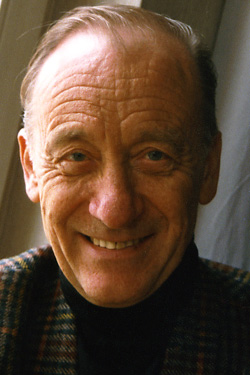
* 16.12.1932, Moscow
"The piano concerto was always my experimental field." „Musik für piano habe ich mein ganzes schöpferisches Leben lang gewroteen." For Rodion Shchedrin (Родион Щедрин) as a pianist, the piano has always been a particularly important instrument for his own music. He has composed countless piano works and a total of 6 piano concertos so far. Shchedrin embodies an extraordinarily free, personal style – a connection between Russian tradition and many facets of modernism. With charm and irony, but also in the playful and experimental handling of traditions, Shchedrin's music eludes all categorizations.
READ MORE »Kaija Saariaho
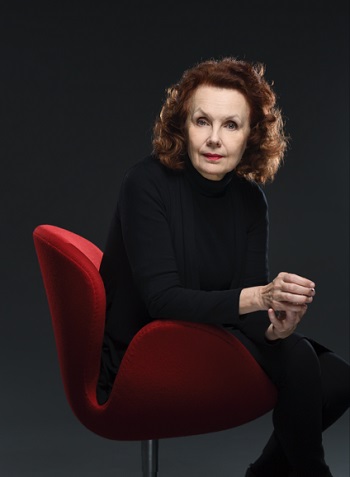
* 14.10.1952, Helsinki
"...the music that we write, [...] is the sum of our perceptions and experiences." (cited after Klaus Jungheinrich: "Where from? Where to? The Composer Kaija Saariaho"; Ed. Schott, 2007/1015). Kaija Saariaho is an important voice of contemporary music. For piano she has written a few solo works, to which are added numerous compositions for voice and piano and piano chamber music. Particularly noteworthy is her five-movement intense, passionate, and colorful Trio for Viola, Violoncello and piano entitled "Je sens un deuxième coeur".
READ MORE »Albert Roussel
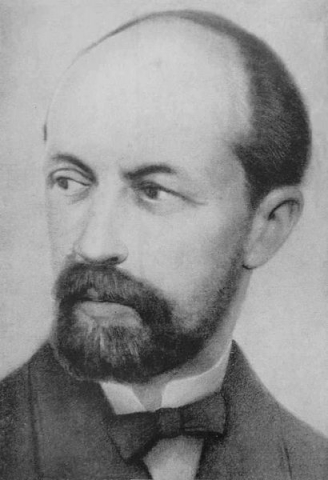
5.04.1869, Tourcoing - 23.08.1937, Royan
Many renowned musicians have performed premieres of Albert Roussel's works, such as Alfred Cortot, Jane Bathori, Robert Casadesus, Serge Koussevitzky, Marthe Dron, and Louis Fournier. Roussel's music maintained great influence for subsequent generations of composers. Even Witold Lutosławski acknowledged the important influence of Roussel's 1st Symphony on his own music. For piano Roussel wrote a rather concise but varied oeuvre: a compact, compelling Piano Concerto (1927), some solo works, and chamber music with piano. Particularly moving is his brief composition Acceuil des Muses (1920) in memoriam Claude Debussy.
READ MORE »Maurice Ohana
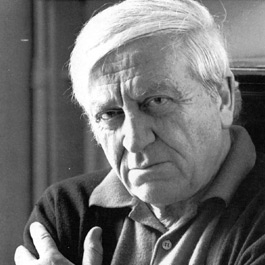
12.06.1913, Casablanca - 13.11.1992, Paris
"The great lessons of music are not the ones the musicians gave me. I received them concretely from the sea, from the wind, from the rain on the trees and from the light, or from the contemplation of certain landscapes that I seek because they seem to belong more to the creation of the world than to our civilized regions." Maurice Ohana (cited from www.
READ MORE »Ernest Bloch
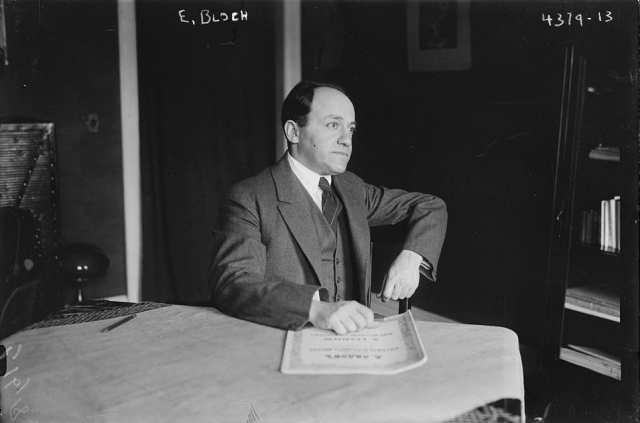
24. July 1880, Genève - 15. July 1969, Portland
"Music should, like other arts, be an integral part of our lives. Every person has the right to share its beauty. I think it is important to write good, genuine music, my music." Ernest Bloch Ernest Bloch's own instrument was the violin. He composed much chamber music, especially in the instrumentation for strings and piano. His violin sonatas and the two piano quintets continue to enjoy considerable popularity. This also applies to several works for violoncello and piano (including Shelomo, Méditation Hébraïque), which he originally composed for violoncello and orchestra. Among Bloch's most important piano compositions are his Piano Sonata (
READ MORE »Federico Mompou
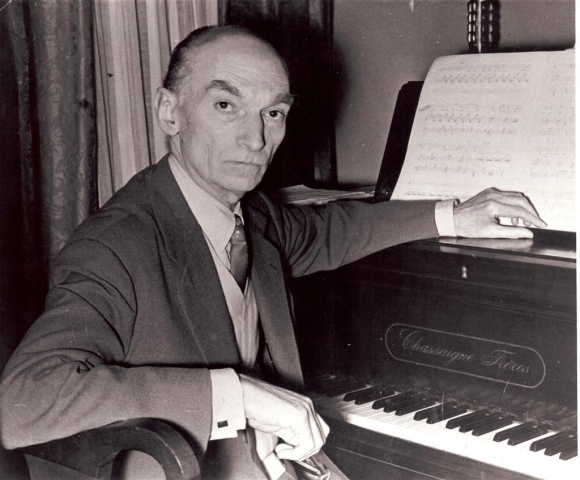
16. April 1893, Barcelona – 30. June 1987, Barcelona
"In reality, my music is the least "composed" music in the world. Ideas come to me mostly when I am distracted, much more often than when I concentrate." "I live in the solitude of huge cities. I need the city." Federico Mompou The pianist and composer Federico Mompou wrote a large and unique oeuvre for piano. He himself called the 4 volumes of his "Música Callada" (1959-1967) the work that most clearly corresponds to his musical ideas.
READ MORE »Alberto Ginastera
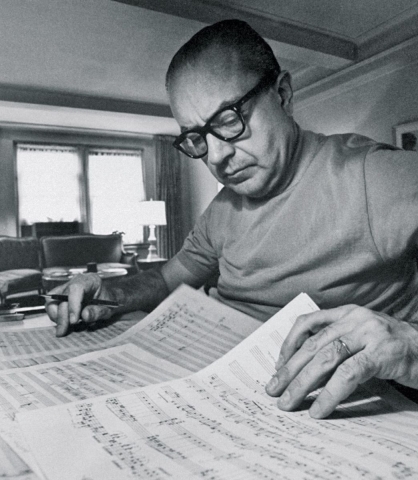
11. April 1916, Buenos Aires - 25. June 1983, Genève
Alberto Ginastera left many magnificent works for piano as well as two piano concertos. His 1st Piano Concerto (1961) achieved fame not least through a rock adaptation by "Emerson, Lake and Palmer". Also noteworthy is Ginastera's intensive exchange with Aaron Copland, which manifested itself artistically especially in the "Doce preludios americanos" (1944). Ginastera stands for a pioneering musical synthesis of South American and European musical culture.
READ MORE »Esther Flückiger
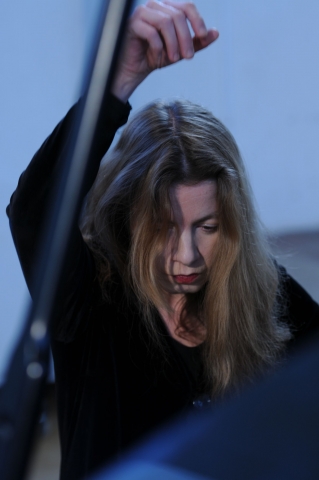
* 6.10.1959, Bern
The composer, pianist, and improviser Esther Flückiger often extends her piano works with electronics, preparations, or additional instruments, in recent years for example with the percussion instrument Hang, whose playing she masters brilliantly. Each composition by Flückiger reveals its own imaginative and energetic cosmos.
READ MORE »Pavel Haas
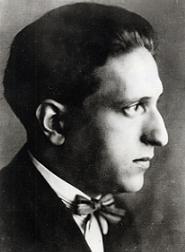
21.06.1899, Brno - 18.10.1944, Auschwitz-Birkenau
Unfortunately, the "Variations for piano and orchestra" by Pavel Haas, composed in Theresienstadt in 1944, are lost. Thus, only the Piano Suite Op.13 and some smaller piano pieces, songs, and some chamber music remain for posterity. Two magnificent song cycles are particularly noteworthy: The "7 Songs in Folk Style" and the late "4 Songs after Chinese Poetry". His popular Suite for Oboe and piano from 1939 is very frequently performed.
READ MORE »Frangis Ali-Sade
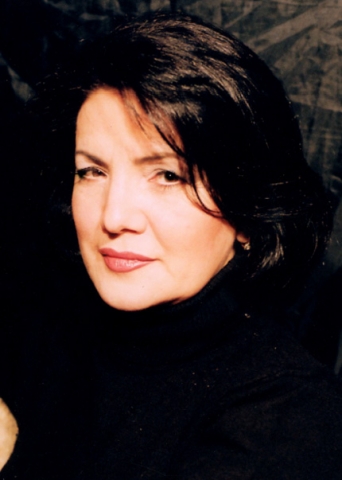
* 28. Mai 1947, Baku
"Every time music helps me dispel the problems of life...every time I compose I feel so much stronger, so much more creative." "My message to young people: Music is the best thing God has given us in our lives. When you make music, when you compose, you are truly a happy person in your life!" Frangis Ali-Sade Among the many compositions for a wide variety of instruments, Frangis Ali-Sadeh repeatedly writes music for piano and prepared piano, songs, piano chamber music, and so far two piano concertos (if we count "IMPROMPTU-CROSSINGS" for prepared piano, five Azerbaijani folk instruments
READ MORE »Frank Martin
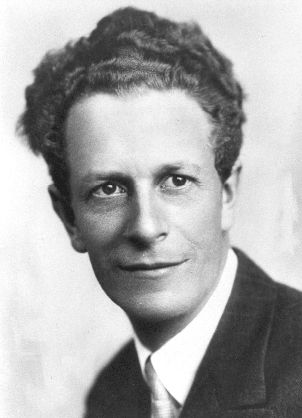
15. September 1890, Genève - 21. November 1974, Naarden
"Quand je joue le ‘Polyptyque’ de Frank Martin, je ressens la même responsabilité, la même exaltation qu’en jouant la Chaconne de Bach". - "When I play Frank Martin's "Polyptyque", I feel the same responsibility, the same exaltation as when playing Bach's Chaconne." Yehudi Menuhin Frank Martin wrote considerable piano works, two piano concertos, and chamber music with piano. His most frequently performed piano cycle is his wonderful "8 Préludes", which he wrote in 1947/48 for the pianist Dinu Lipatti. Unfortunately, Lipatti died before he could perform the Préludes.
READ MORE »Joaquín Turina
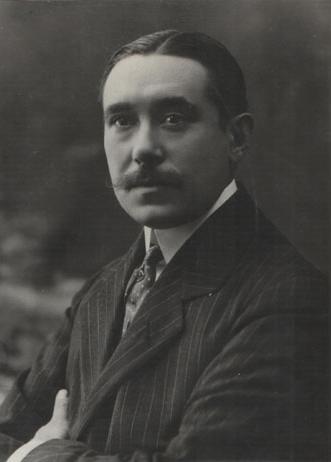
9. December 1882, Sevilla - 14. January 1949, Madrid
Joaquín Turina composed for piano throughout his entire life. His enormously large piano work begins with the Piano Quintet Op.1 and ends with three piano pieces for the small cycle "Desde mi teraza" Op.104 from 1947. Between these lie over 80 works for solo piano, piano chamber music, and songs.
READ MORE »Germaine Tailleferre
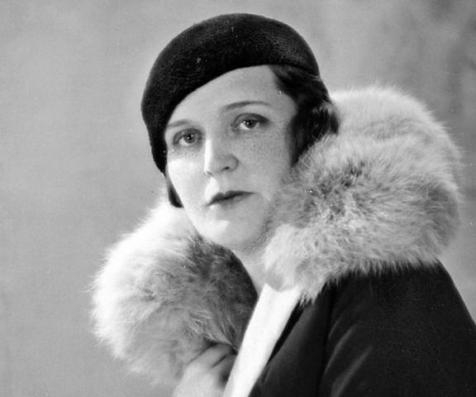
19. April 1892, Saint-Maur-des-Fossés - 7. November 1983, Paris
Germaine Tailleferre was an extraordinarily inspired composer who remained true to her own, sensual language over many decades. In her early years she was the only woman member of the "Groupe des Six". Her notorious modesty hindered the dissemination of her music during her lifetime mmer wieder im Weg. Tailleferre wrote über 30 Klavierstücke (solo & duo), mehrere konzertante Werke und Kammermusik mit piano in verschiedensten Besetzungen.
READ MORE »Pascal Dusapin
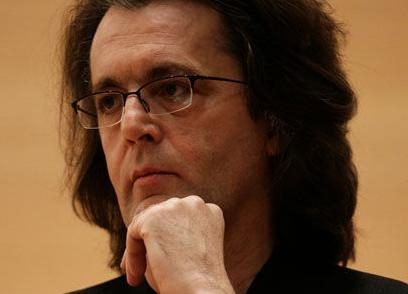
* Nancy, 29. Mai 1955
"When I write music I feel like a power plant." (Dusapin) Dusapin has written relatively few but very intense compositions for piano: The "7 Études" (1999-2001), the Piano Concerto "A quia" (2002), and the Concertino for piano and six instruments "Jetzt Genau!" (2012). "I write down music otherwise I forget it." (Dusapin)
READ MORE »Ervín (Erwin) Schulhoff
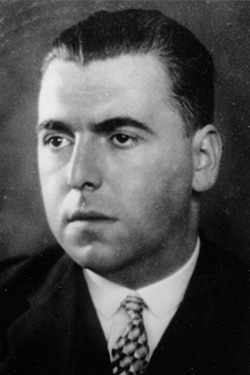
Praha, 8. June 1894 - Wülzburg, 18. August 1942
"Art in itself is the expression of heightened human yearning; the work of art as such is the explosion of heightened feeling. Absolute art is revolution." Ervín (Erwin) Schulhoff Ervín Schulhoff worked as a brilliant composer between Dadaism and twelve-tone technique, between azz and Czech tradition. Subtly balanced between humor and tragedy, he was a bridge builder between styles. He also wrote political music, including "Communist Manifesto" for choir and orchestra. As a Jewish and communist artist, Schulhoff was persecuted by the Nazis. He died in a concentration camp near Dachau and was forgotten for a long
READ MORE »George Antheil
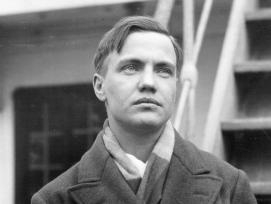
Trenton, 8. July 1900 - New York City, 12. February 1959
"Time is the canvas for music, much more than the planes of tonality, atonality, or no tonality". George Antheil, 1950 George Antheil created in 1925 with the Ballet mécanique - "Ballet pour Instruments Mécaniques et Percussion" - an extraordinary work for 16 Pianolas and percussionensemble, which caused a huge scandal at the premiere in Paris. The "Bad Boy of Music" wrote for piano repeatedly throughout his entire life. A fascinating document is his own recording of his "Valentine Waltzes" from 1949. This is the only surviving piano recording by the composer himself.
READ MORE »Elisabeth Lutyens
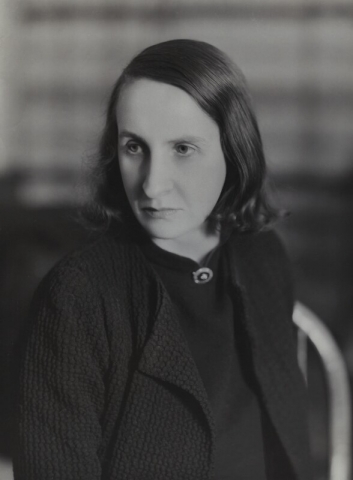
London, 9. July 1906 - London, 14. April 1983
"Today, few composers are blessed to combine artistic success so deeply with humility as Lutyens did. She often said it was work itself that stimulated her imagination. This attitude is reflected in her large, extraordinarily diverse oeuvre. It remains to be hoped that h zukünftige Generationen ihre grossartige Musik schätzen werden und dabei Freude und Trost finden in Lutyens' einzigartigem, künstlerischen Kosmos.» Robert Saxton, 1996
READ MORE »Elena Firsova (Фирсова)
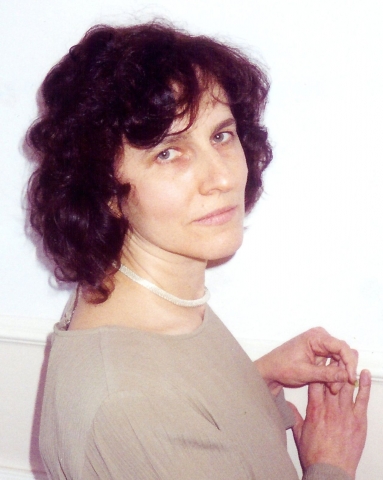
21.05.1950 Leningrad
"Usually, for me, composing means self-immersion, touch with beauty, connection to the immaterial world. Composers – certainly not all – have much in common with priests and gardeners." Elena Firsova
READ MORE »Sergej Tanejew
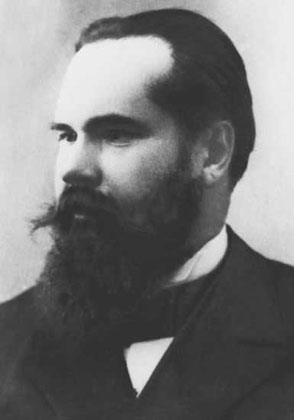
13.07.1856, Wladimir - 06.07.1915, Djutkowo
Tanejew is known as a composition teacher to Rachmaninoff, Glière, and Scriabin, among others. He himself composed extensively for orchestra, choir, and string quartet. His Piano Quintet Op.30 and Piano Trio Op.22 remain popular chamber music works to this day. The Prelude & Fugue in G-sharp minor Op.29 from 1910 is his most famous composition for solo piano. Well worth hearing! Tanejew's Piano Concerto was not premiered until 1998.
READ MORE »Wilhelm Killmayer
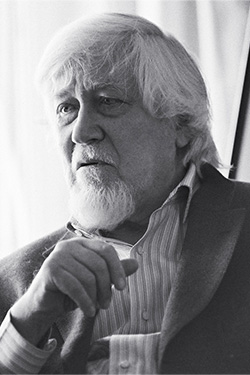
21. August 1927, München - 20. August 2017, Starnberg
21 August 1927, München - 20 August 2017, Starnberg "Paradies ist das Gegenstück zur Verlassenheit, ist Zusammensein." "Musik hat nichts mit dem äußeren Leben zu tun, sondern mit dem inneren Leben. Nicht das Beabsichtigte spiegelt sich, sondern das, was der Schaffende selbst ist. Das Unbeabsichtigte, Unterbewußte wirkt." Wilhelm Killmayer
READ MORE »Vítězslava Kaprálová
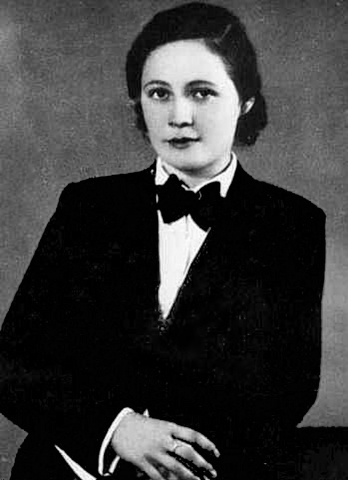
24.01.1915 Brno - 16.06.1940 Montpellier
Kaprálová hinterliess trotz ihrem frühen Tod ein gewichtiges Klavierwerk. Ein atemberaubendes Klavierkonzert sticht besonders hervor. Viele weitere Solo-Werke, Lieder und Kammermusik mit piano runden ihr Schaffen ab.
READ MORE »Francis Poulenc
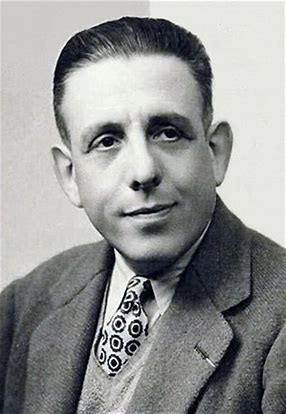
07.01.1899, Paris - 30.01.1963, Paris
A composer with a vast oeuvre for piano – Poulenc wrote approximately 40 works for solo piano, 4 piano concertos, several works for 2 pianos/piano four hands, a dozen chamber music works, and over 100 songs. Among the most important poets whose texts he set to music are Guillaume Apollinaire, Paul Éluard, Louise de Vilmorin, García de Lorca, Robert Desnos und Jean Anouilh.
READ MORE »