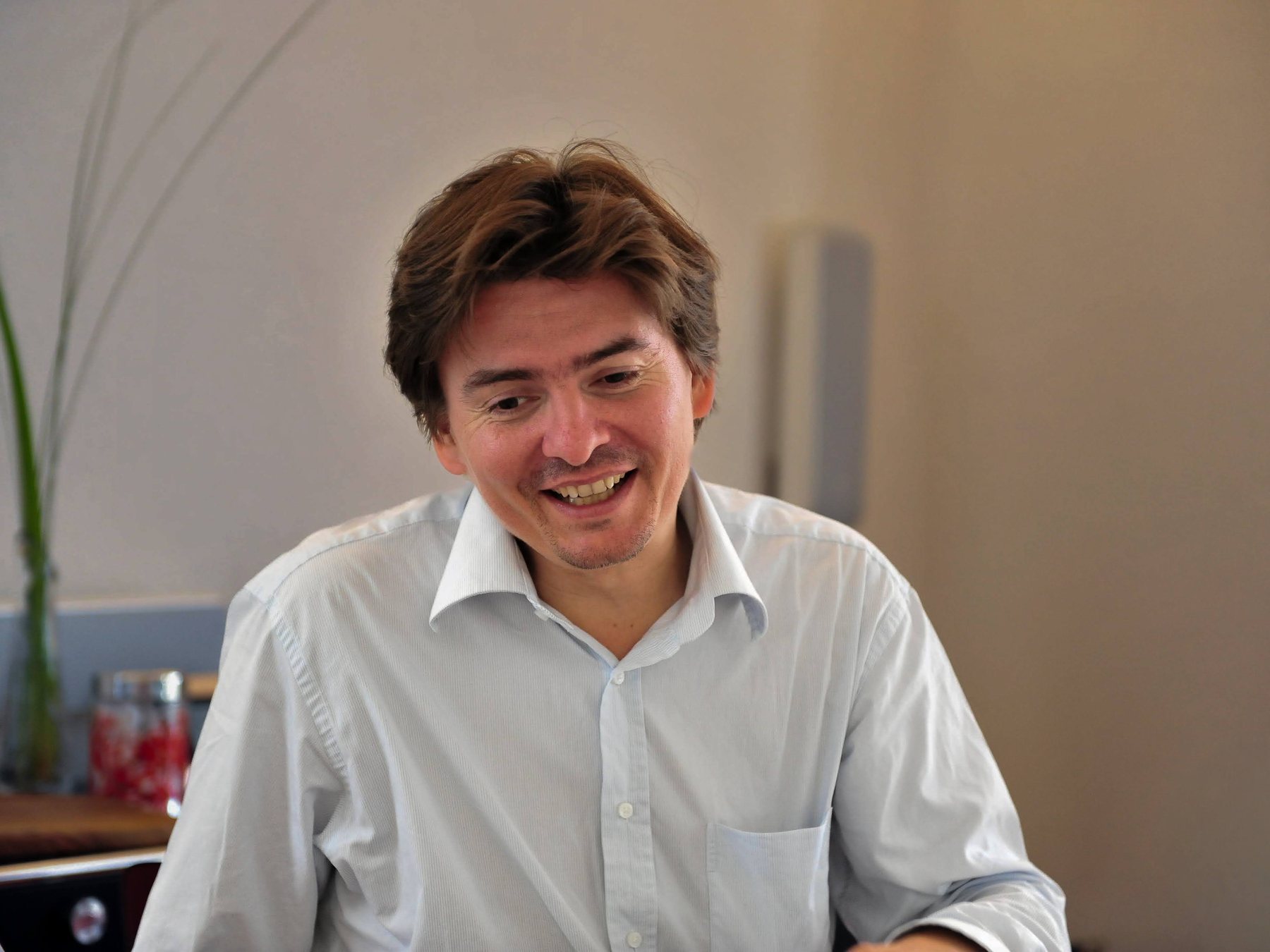
Tomas Dratva
Between 1994 and 2021, Tomas Dratva took part – as a soloist and as a chamber musician – in seventeen releases, published by the labels Jecklin, Niklaus Verlag and Oehms Classics and, in his later years, by his own label PIANOVERSAL. His eighteenth recording, Johann Pachelbel’s “Hexachordum Apollinis”, is being released posthumously. This discography brings them all together, in chronological order of release.
Tomas Dratva cultivated a wide-ranging repertoire. Engagement with the music of our time and the search for new discoveries and rediscoveries were guiding imperatives of his artistic work. Some of the recordings are premieres – the piano concerto by János Tamás was heard for the first time after the composer’s death –, others are first recordings, and he discovered Leopold Koželuch’s piano concertos in European music archives and reconstructed them from the historical original manuscripts. The different periods called for engagement not only with the modern grand piano but also with historical instruments. For the Liszt recording of the Années de Pèlerinage, Richard Wagner’s 1876 Steinway in Bayreuth was made available.
Tomas Dratva was a soloist and a chamber musician. With the Trio Animæ, founded in Basel in 1993, he performed for seventeen years in an unchanged line-up – with Jean-Christophe Gawrysiak, violin, and Dieter Hilpert, cello. The Trio Animæ’s studio recordings from 1996 to 2006, originally released on Cascavelle, were reissued on PIANOVERSAL in 2021 as a complete edition in nine volumes and supplemented by one further, final trio recording of previously unreleased pieces.
Details of works, durations and recording dates are taken, where available, from the original booklets of the releases or from the information provided by the respective platform.
Discography as PDF ↓13 pages · 1.3 MB
Contents
The Recordings
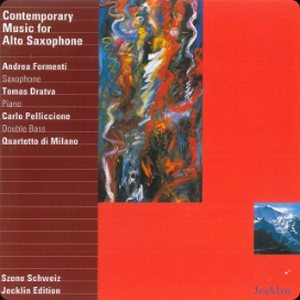
Andrea Formenti — Contemporary Music for Alto Saxophone
| 1 | I. Contrastes | 3:42 |
| 2 | II. Rêverie | 4:57 |
| 3 | III. Mouvements | 2:36 |
| 4 | No. 1 | 7:15 |
| 5 | No. 2 | 6:37 |
| 6 | No. 3 | 8:08 |
| 7 | I. Volcanic Instability | 4:21 |
| 8 | II. Hysterical Waltz | 3:13 |
| 9 | III. Lyrical Cantilena | 4:22 |
| 10 | Portrait | 7:47 |
| 11 | Tra qua e la | 8:53 |
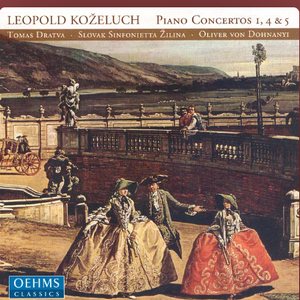
Leopold Koželuch — Piano Concertos Nos. 1, 4 & 5
| 1 | I. Allegro | 10:26 |
| 2 | II. Adagio | 8:31 |
| 3 | III. Rondo: Allegro | 6:30 |
| 4 | I. Allegro | 11:40 |
| 5 | II. Andante con variazioni | 9:57 |
| 6 | III. Rondeau: Poco presto | 5:53 |
| 7 | I. Allegro | 10:59 |
| 8 | II. Andantino | 8:13 |
| 9 | III. Rondeau: Poco presto | 7:40 |
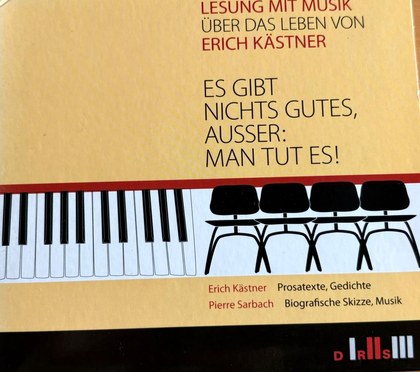
Erich Kästner · Pierre Sarbach — Es gibt nichts Gutes, ausser: man tut es!
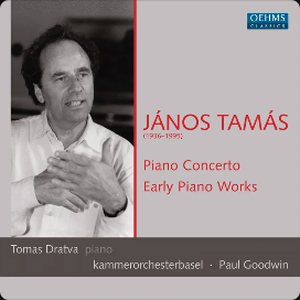
János Tamás — Piano Concerto · Early Piano Works
| 1 | I. Allegro moderato | 4:29 |
| 2 | II. Adagio, molto tranquillo | 8:36 |
| 3 | III. Allegro con fuoco | 7:41 |
| 4 | Lichtspiel | 3:54 |
| 5 | No. 1, Largo | 3:16 |
| 6 | No. 2, Sanft bewegt | 2:23 |
| 7 | No. 3, Andante | 2:10 |
| 8 | No. 4, Andantino | 1:43 |
| 9 | No. 5, Allegro ma non troppo e capriccioso | 1:49 |
| 10 | No. 1, Elegy | 1:07 |
| 11 | No. 2, Meditation | 3:17 |
| 12 | No. 3, Question | 1:14 |
| 13 | No. 4, Lullaby | 1:19 |
| 14 | No. 5, Nocturnal reflections | 1:37 |
| 15 | No. 6, Fog | 1:17 |
| 16 | No. 7, Jangling | 0:27 |
| 17 | No. 8, Departure | 1:02 |
| 18 | No. 9, Solitude | 1:03 |
| 19 | No. 10, Dusk | 1:19 |
| 20 | No. 11, Twilight | 2:31 |
| 21 | No. 12, Foreboding | 1:41 |
| 22 | No. 13, Evening | 0:59 |
| 23 | No. 14, Frost Flowers | 1:42 |
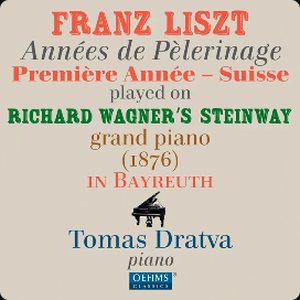
Franz Liszt — Années de Pèlerinage — Première Année: Suisse
| 1 | No. 1, La chapelle de Guillaume Tell | 6:36 |
| 2 | No. 2, Au lac de Wallenstadt | 3:35 |
| 3 | No. 3, Pastorale | 1:47 |
| 4 | No. 4, Au bord d’une source | 4:13 |
| 5 | No. 5, Orage | 4:43 |
| 6 | No. 6, Vallée d’Obermann | 13:55 |
| 7 | No. 7, Eglogue | 4:07 |
| 8 | No. 8, Le mal du pays | 4:45 |
| 9 | No. 9, Les cloches de Genève | 7:01 |
| 10 | No. 4, Les jeux d’eau à la Villa d’Este | 8:24 |
János Tamás — Feuerbilder — Chamber Music
| 1 | Trio for Clarinet, Horn and Piano | 15:19 |
| 2 | Triofantasie for Clarinet, Horn and Cello | 7:48 |
| 3 | Feuerbilder | 13:06 |
| 4 | Traumquell | 17:36 |
| 5 | Im Garten von Saanen | 8:19 |
| 6 | Poema | 8:08 |
| 7 | Poema (original version) | 5:59 |
Leoš Janáček — Piano Music
| 1 | I. Andante | 3:26 |
| 2 | II. Molto Adagio | 4:22 |
| 3 | III. Andantino | 3:33 |
| 4 | IV. Presto | 4:20 |
| 5 | I. Předtucha — The Presentiment | 6:16 |
| 6 | II. Smrt — The Death | 8:02 |
| 7 | 1. Naše večery — Our Evenings | 3:31 |
| 8 | 2. Lístek odvanutý — A blown-away leaf | 3:14 |
| 9 | 3. Pojďte s námi! — Come with us! | 1:25 |
| 10 | 4. Frýdecká Panna Maria — The Frýdek Madonna | 3:35 |
| 11 | 5. Štěbetaly jak laštovičky — They chattered like swallows | 2:39 |
| 12 | 6. Nelze domluvit! — Words fail! | 2:10 |
| 13 | 7. Dobrou noc! — Good night! | 3:22 |
| 14 | 8. Tak neskonale úzko — Unutterable anguish | 4:16 |
| 15 | 9. V pláči — In tears | 2:02 |
| 16 | 10. Sýček neodletěl! — The barn owl has not flown away! | 4:20 |
| 17 | 1. Andante | 3:22 |
| 18 | 2. Allegretto | 4:22 |
| 19 | 1. Più mosso | 3:24 |
| 20 | 2. Allegro | 5:51 |
| 21 | 3. Vivo | 2:08 |
| 22 | Vzpomínka — Reminiscence (1928) | 1:28 |
| 23 | Malostranský palác — Palais Malostranský (1927) | 1:01 |
| 24 | Melodie (1923) | 0:44 |
| 25 | Jen slepý osud? — Only blind fate? (1927) | 1:13 |
| 26 | Bez názvu — Untitled | 0:45 |
| 27 | Zlatý kroužek — The Golden Ring (1928) | 0:23 |
| 28 | Ukolébavka — Lullaby (1920) | 1:12 |
| 29 | Narodil se Kristus Pán — Born is Lord Jesus Christ, 24.XII.1909 | 1:09 |
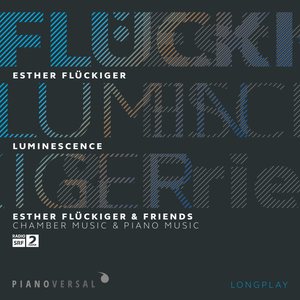
Esther Flückiger — LUMINESCENCE
| 1 | Vita A (2017)Esther Flückiger, hang · Tomas Dratva, piano | 5:55 |
| 2 | Klangsymbol I (2018) – declineTomas Dratva, piano | 2:39 |
| 3 | Guarda i lumi (2017)Jiří Němeček, violin · Ludovic Van Hellemont, piano | 15:26 |
| 4 | Klangsymbol II (2018) – gyratoriumTomas Dratva, piano | 1:44 |
| 5 | In the desert it doesn’t rain (2018)Massimo Mazzoni, saxophone · Esther Flückiger, piano, prepared piano and electronics | 11:36 |
| 6 | Klangsymbol III (2018) – liquidoTomas Dratva, piano | 1:36 |
| 7 | Lume universale nell’aria cadente (2015)Trio Flair — Esther Flückiger, piano and hang · Stefan Läderach, violin · Emanuel Rütsche, cello | 12:59 |
| 8 | Klangsymbol IV (2018) – irrendTomas Dratva, piano | 2:23 |
| 9 | With Bow and Swarm (2017)Esther Flückiger, prepared piano | 4:28 |
| 10 | Klangsymbol V (2018) – contrastarTomas Dratva, piano | 1:31 |
| 11 | Drop I [Drops I–III, 2018]Rose-Marie Soncini, alto flute · Esther Flückiger, piano | 1:26 |
| 12 | Drop II | 0:42 |
| 13 | Drop III | 2:39 |
| 14 | Desert in mood (2009)Tomas Dratva, piano | 5:33 |
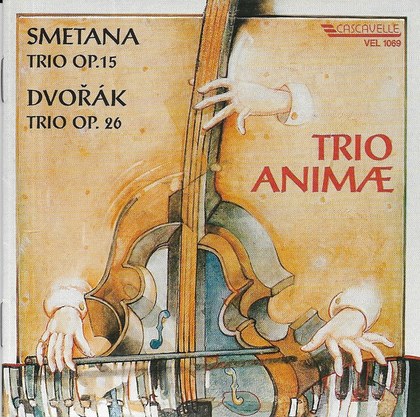
Trio Animæ — The Complete Studio Recordings, Vol. 1
| 1 | I. Moderato assai | 10:55 |
| 2 | II. Allegro, ma non agitato | 8:22 |
| 3 | III. Finale. Presto | 9:54 |
| 4 | I. Allegro moderato | 12:22 |
| 5 | II. Largo | 5:37 |
| 6 | III. Scherzo. Presto | 6:44 |
| 7 | IV. Finale. Allegro non tanto | 7:07 |
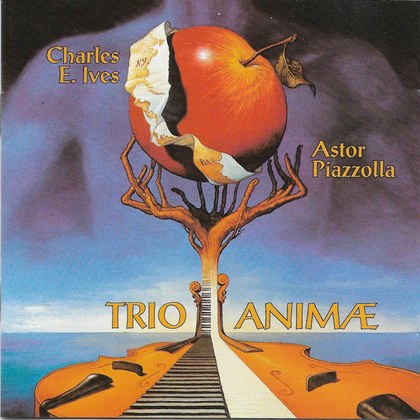
Trio Animæ — The Complete Studio Recordings, Vol. 2
| 1 | 1. Moderato | 3:53 |
| 2 | 2. TSIAJ. Presto | 6:22 |
| 3 | 3. Moderato con moto | 10:43 |
| 4 | Primavera Porteña | 4:38 |
| 5 | Verano Porteño | 7:14 |
| 6 | Otoño Porteño | 5:54 |
| 7 | Invierno Porteño | 6:57 |
| 8 | Revolucionario | 5:37 |
| 9 | Oblivion (1997 Recording) | 3:56 |
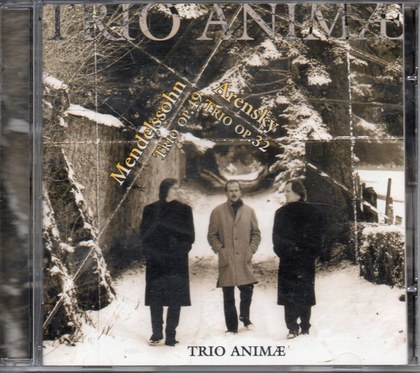
Trio Animæ — The Complete Studio Recordings, Vol. 3
| 1 | I. Molto Allegro agitato | 8:54 |
| 2 | II. Andante con moto tranquillo | 6:00 |
| 3 | III. Scherzo. Leggiero vivace | 3:25 |
| 4 | IV. Finale. Allegro assai appassionato | 7:30 |
| 5 | I. Allegro moderato | 12:50 |
| 6 | II. Scherzo. Allegro molto | 6:06 |
| 7 | III. Elegia. Adagio | 6:29 |
| 8 | IV. Finale. Allegro non troppo | 6:07 |

Trio Animæ — The Complete Studio Recordings, Vol. 4
| 1 | Esqualo | 3:25 |
| 2 | Soledad | 8:07 |
| 3 | Fugata | 2:35 |
| 4 | Tangata | 8:32 |
| 5 | Mumuki | 8:25 |
| 6 | Lunfardo | 6:13 |
| 7 | Calambre | 3:50 |
| 8 | Adiós Nonino | 9:20 |
| 9 | Tres minutos con la realidad | 2:52 |
| 10 | Milonga del Angel | 6:26 |
| 11 | La Muerte del Angel | 3:19 |
| 12 | La Resurrección del Angel | 6:40 |
| 13 | Lo que vendrà | 4:09 |
| 14 | Bandó | 3:53 |
| 15 | Oblivion (2001 Recording) | 4:10 |
Trio Animæ — The Complete Studio Recordings, Vol. 5
| 1 | Impresionista | 5:14 |
| 2 | Milontan («Sobre ritmos popolares») | 6:35 |
| 3 | Triste y zamba («En estilo popolar») | 4:27 |
| 4 | Chacarera («En estilo popolar») | 3:35 |
| 5 | Graciela y Buenos Aires | 8:45 |
| 6 | El Nuevo Tango | 4:33 |
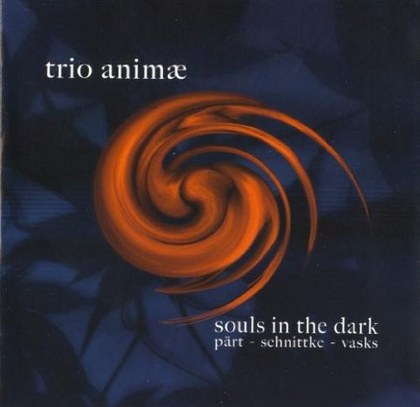
Trio Animæ — The Complete Studio Recordings, Vol. 6
| 1 | Adagio | 8:22 |
| 2 | I. Moderato | 12:54 |
| 3 | II. Adagio | 14:00 |
| 4 | Episodio I: Crescendo | 2:32 |
| 5 | Episodio II: Misterioso – III: Unisoni | 5:20 |
| 6 | Episodio IV: Burlesca 1 | 3:19 |
| 7 | Episodio V: Monologhi – VI: Burlesca 2 – VII: Canto perpetuo – VIII: Apogeo e Coda | 16:42 |
Trio Animæ — The Complete Studio Recordings, Vol. 7
| 1 | Trio «In casa Betti» (1817) | 4:21 |
| 2 | 1. Conversations | 2:08 |
| 3 | 2. Let’s play an Opera by Rossini | 2:24 |
| 4 | 3. Humoresque | 2:29 |
| 5 | Trio «In casa Baglioni» (1817) | 4:25 |
| 6 | 18th Variation | 3:01 |
| 7 | Variazioni facili (2001) | 8:20 |
| 8 | I. Elegy – «Do no tempt me unnecessarily» | 2:58 |
| 9 | II. Lullaby – «Farewell to St. Petersburg» | 3:24 |
| 10 | III. «The Doubt» | 3:28 |
| 11 | Daisies | 2:35 |
| 12 | Taconeando | 3:15 |
| 13 | Negracha | 2:59 |
| 14 | Colonial Song | 6:20 |
| 15 | Shepherd’s Hey! (Morris Dance Tune) | 2:15 |
| 16 | My Robin is to the Greenwood gone | 5:56 |
| 17 | Handel in the Strand (Clog Dance) | 3:58 |
Trio Animæ — The Complete Studio Recordings, Vol. 8
| 1 | I. Quasi cadenza – Molto sostenuto – Allegro | 15:06 |
| 2 | II. Adagio. Calmo | 12:24 |
| 3 | III. Allegro | 10:48 |
| 4 | I. Allegro | 6:49 |
| 5 | II. Adagio cantabile | 7:12 |
| 6 | III. Allegro | 4:12 |
| 7 | I. Preludio | 3:53 |
| 8 | II. Loure | 3:49 |
| 9 | III. Gavotte | 1:48 |
| 10 | IV. Menuet | 2:15 |
| 11 | V. Bourrée | 2:21 |
Trio Animæ — The Complete Studio Recordings, Vol. 9
| 1 | Zigue-Zague | 4:35 |
| 2 | Kicho | 7:07 |
| 3 | Vardarito | 8:36 |
| 4 | Caliente | 6:24 |
| 5 | Bragatissimo | 5:26 |
| 6 | Decarissimo | 3:56 |
| 7 | Los Poseídos | 4:54 |
| 8 | Triunfal | 5:31 |
| 9 | Revirado | 4:30 |
| 10 | Oblivion (2006 Recording) | 6:51 |
Johann Pachelbel — Hexachordum Apollinis
| 1 | Aria Prima — D minor (Dorian), 6 Variations | 9:58 |
| 2 | Aria Secunda — E minor, 5 Variations | 10:36 |
| 3 | Aria Tertia — F major, 6 Variations | 8:33 |
| 4 | Aria Quarta — G minor (Dorian), 6 Variations | 10:00 |
| 5 | Aria Quinta — A minor, 6 Variations | 8:25 |
| 6 | Aria Sexta (Sebaldina) — F minor (Mixolydian), 8 Variations | 10:50 |